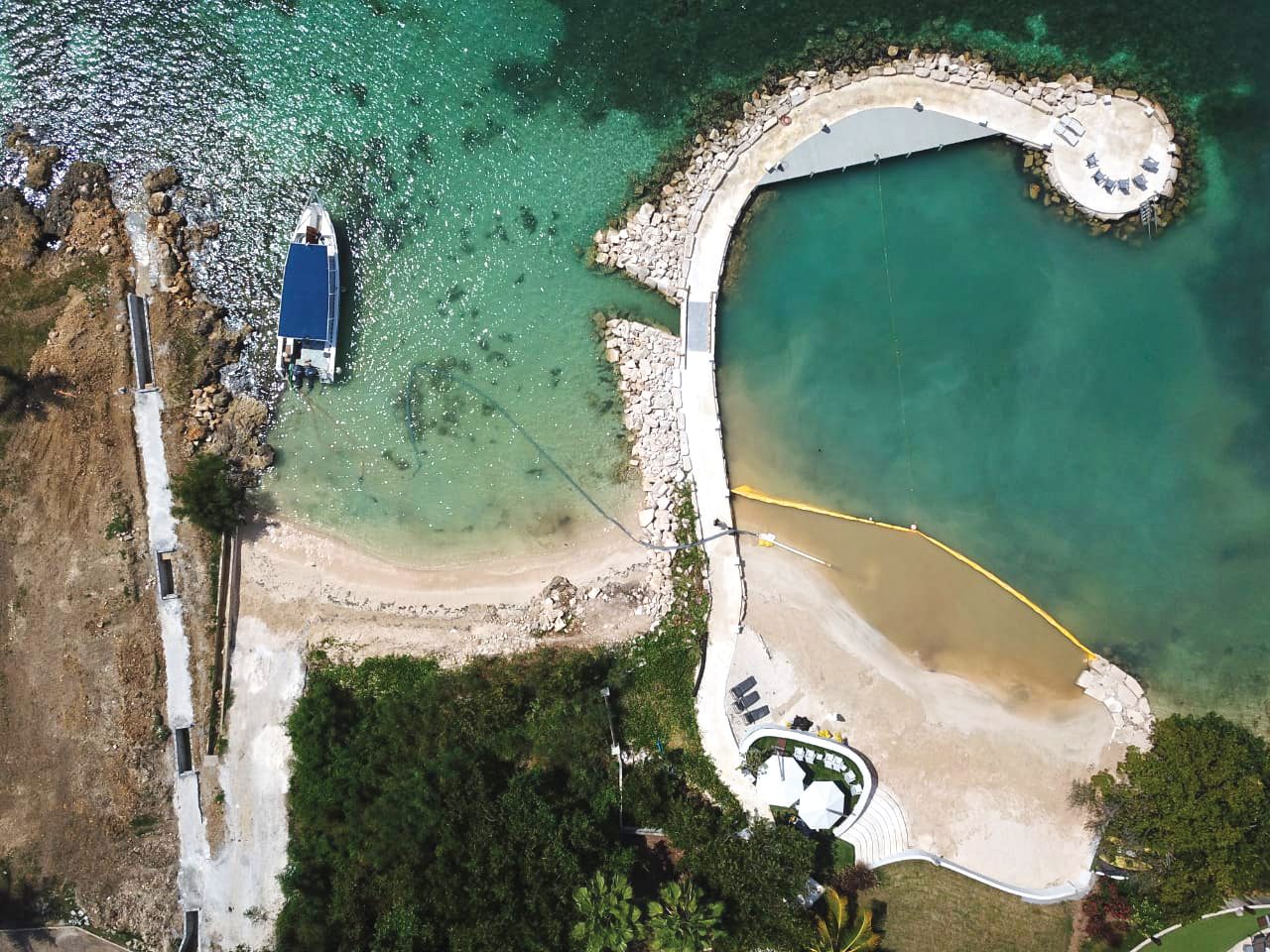
Type 1: Light-Duty and Department of Transportation (DOT) Turbidity Curtain
Key Specs
- Length: 50 ft. – 100 ft., Custom Lengths Available
- Fabric Material: PVC Coated Polyester
- Hardware: Galvanized Steel Chain
- Anchor Point: Reinforced End Grommets
- Color Options: Yellow
See below for additional specifications.
Overview
Type 1 Turbidity Curtains: Light-Duty Sediment Control Solutions for Calm and Protected Water
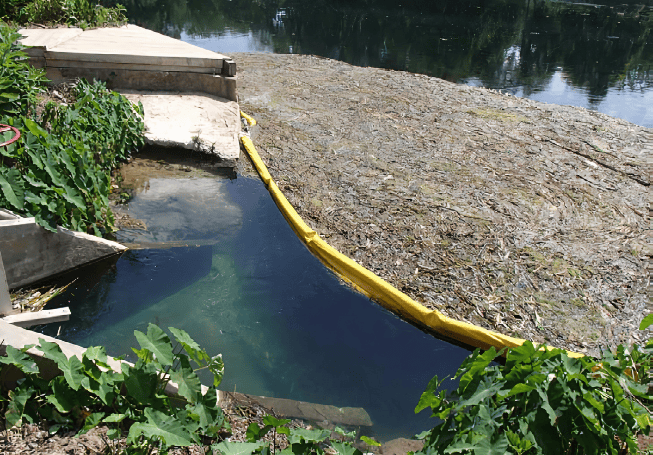
Type 1 Turbidity Curtains are light-duty floating sediment control barriers designed to help contain silt, turbidity, suspended sediment and displaced particles during marine construction and in-water projects conducted in calm or protected water. Enviro-USA™’s Type 1 DOT Turbidity Curtains are designed for contractors working in areas such as ponds, small lakes, canals and waterways where little water movement, light wind or minimal current is expected.
Type 1 systems are suited for calm-water applications where strong currents, significant wave action and tidal conditions are not present. These floating turbidity barriers are positioned around or adjacent to an active work area to help control and confine suspended silt and sediment, reducing its movement into surrounding water. Enviro-USA™ identifies Type 1 as the light-duty option within its Type 1, Type 2 and Type 3 turbidity curtain system, with Type 1 intended for protected conditions, Type 2 for moving water and Type 3 for more demanding tidal environments. Site-specific factors such as water depth, wind, current, anchoring, project requirements and environmental conditions should always be evaluated when selecting and installing a Type 1 Turbidity Curtain.
Applications
- Small Ponds
- Small Lakes
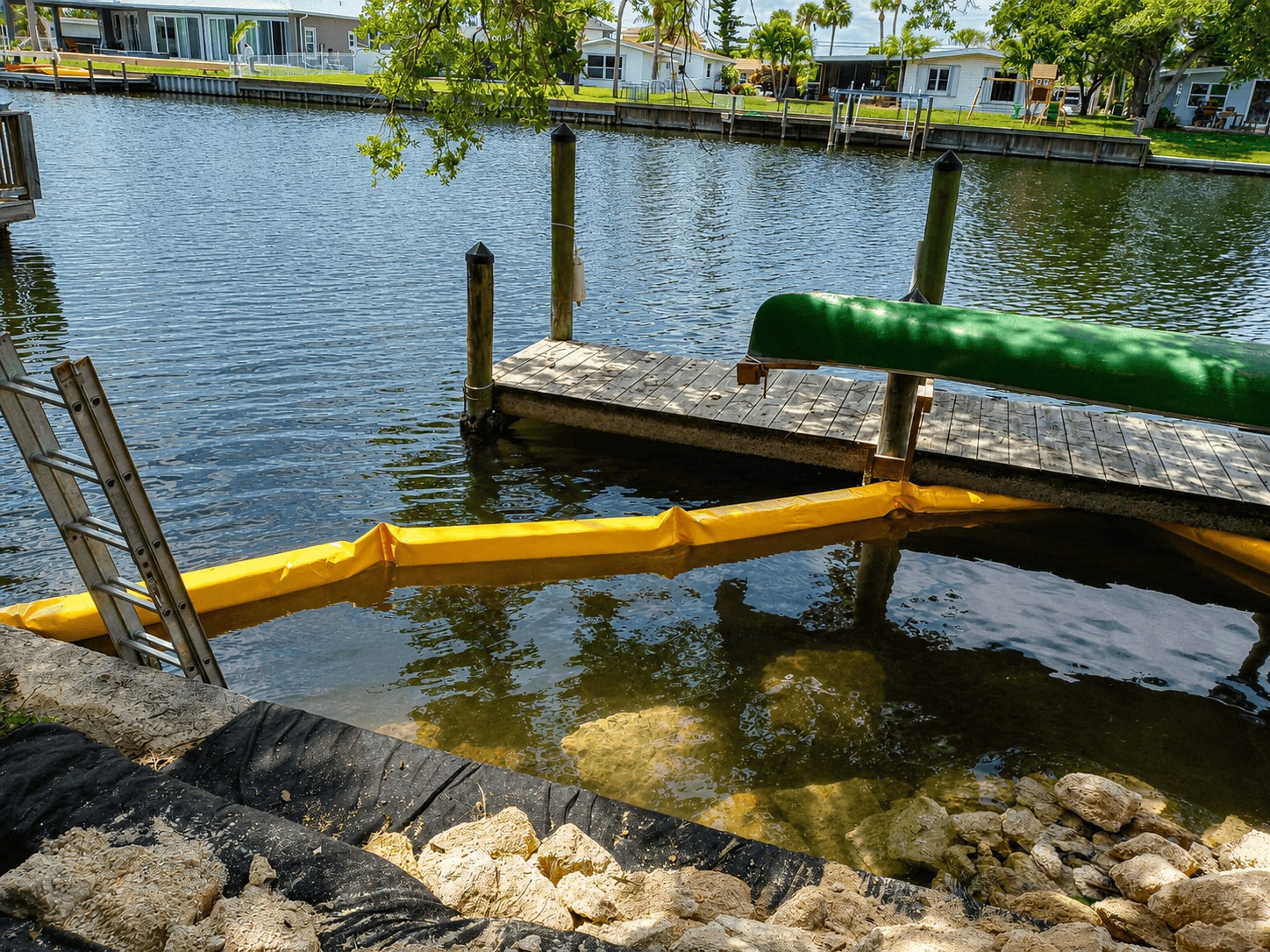
- Canals
- Calm and Protected Waterways
- Waterways with Light Wind or Minimal Current
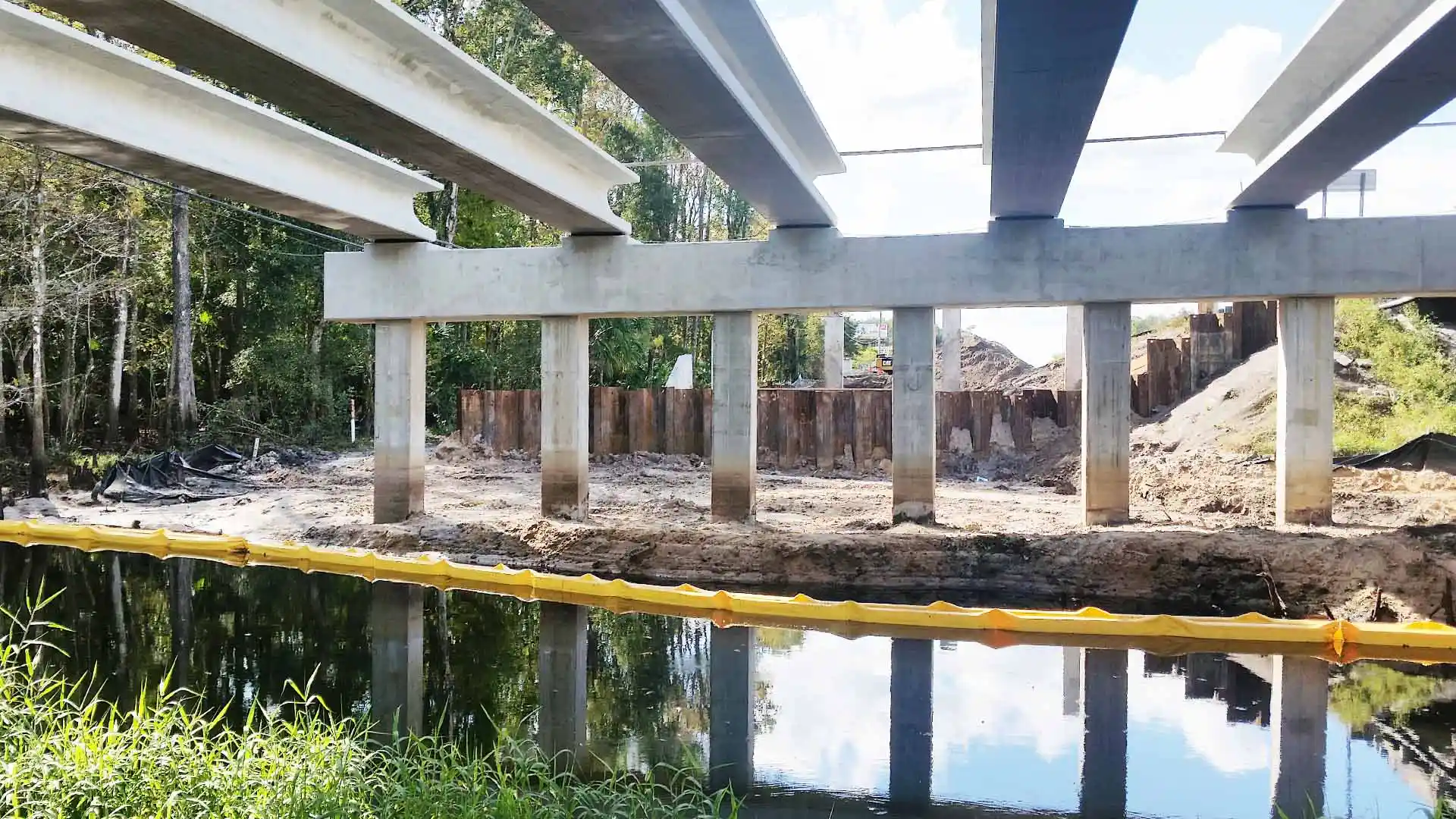
- Bridge Construction in Calm-Water Areas
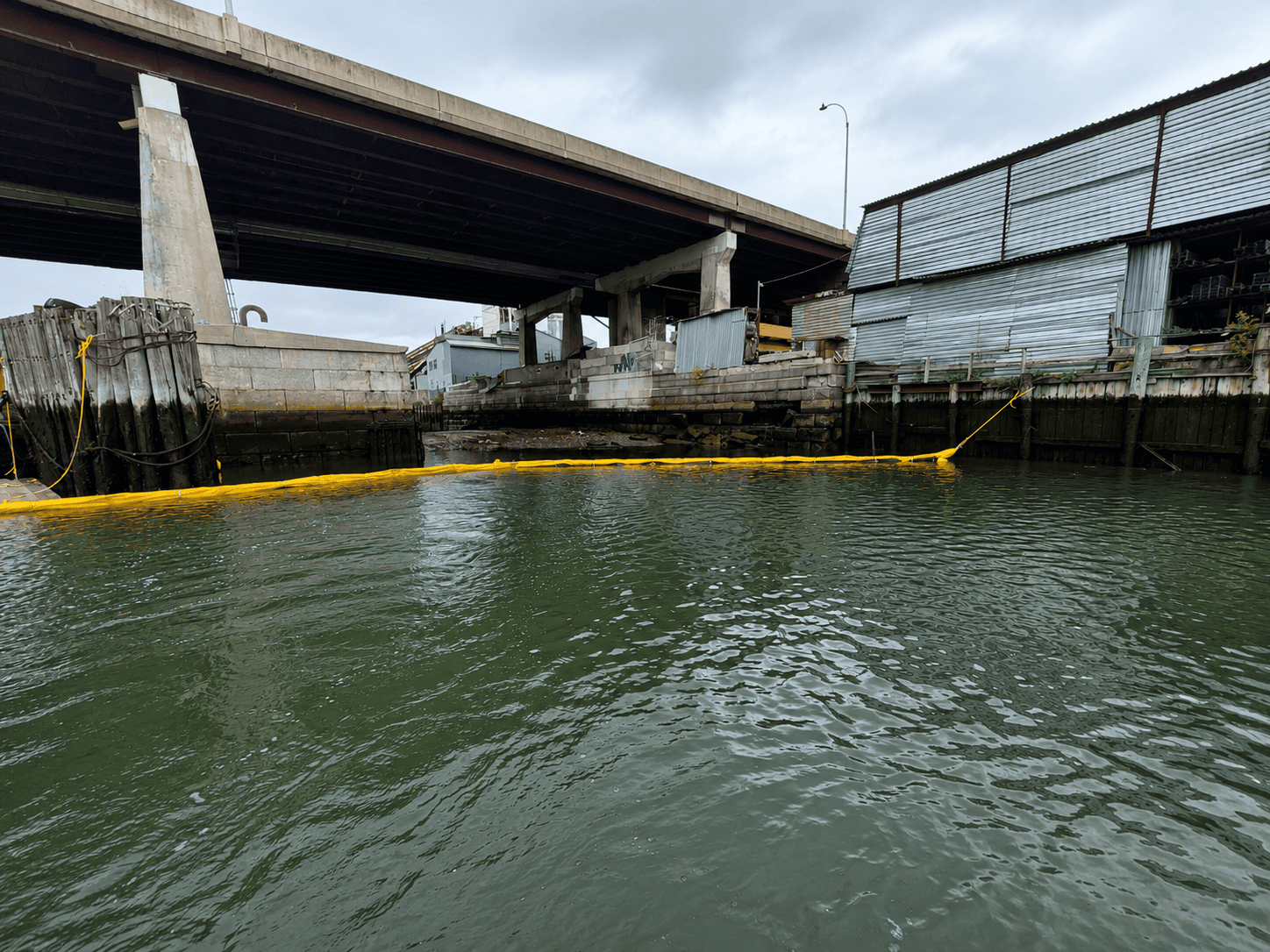
- Marine and In-Water Construction in Protected Locations
- Silt and Sediment Containment Around Work Areas
- Projects Whose Specifications Call for a Type 1 DOT Turbidity Curtain
| Length | 50 ft. - 100 ft., Custom Lengths Available. |
| Skirt Draft Depths | 5 ft. Standard (3 ft. - 10 ft.) |
| Farbic Material | PVC Coated Polyester - DOT = 18 oz., Light Duty = 14 oz. |
| Float Type | Square Foam Filled Flotation |
| Float Size | 4 in. (Contractor), 6 in. (DOT) |
| Top Tension Cable | N/A |
| Bottom Ballast Chain | Galvanized Steel Chain - DOT = 1/4 in., Light Duty = 3/16 in. |
| Section Connectors | Grommets |
| Color | Yellow |
| Anchor Point | Reinforced End Grommets at the Waterline |
MEDIA GALLERY